5 Essential Modifications for Storage Containers
Turn a basic steel box into a highly functional storage space with strategic modifications. Whether you're storing business inventory, personal belongings, or equipment, these essential modifications will maximize your container's utility, protect your items, and improve accessibility.
1. Whirlybird Vents
Reduce condensation and heat buildup with active ventilation. Whirlybird vents (also called turbine vents) are one of the most important modifications for storage containers. They work by spinning in the wind, creating airflow that draws hot, moist air out of the container.
Why they're essential:
- Prevent condensation that can damage stored items
- Reduce interior temperature by 10-15°F in summer
- Eliminate musty odors and mold growth
- Protect against rust and corrosion
- Improve air quality inside the container
Installation: Typically installed on the roof, whirlybird vents require a 12-14 inch hole. They're self-powered by wind, requiring no electricity. For maximum effectiveness, install two vents—one at each end of the container.
Cost: $50-$150 per vent, plus installation. This is one of the best investments you can make for container storage.
2. Heavy-Duty Shelving
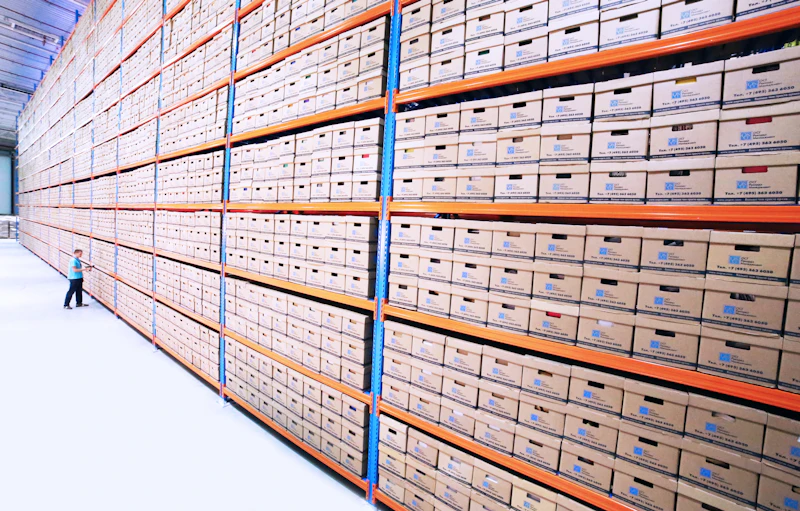
Maximize vertical space with pipe racks or hanging shelves. Containers have 8.5 feet of vertical space, and using it effectively can double or triple your storage capacity.
Options include:
- Pipe rack shelving: Industrial-grade shelving that can hold hundreds of pounds per shelf. Ideal for heavy equipment, tools, and inventory.
- Hanging shelves: Suspended from the ceiling, these keep items off the floor and maximize space. Great for lighter items.
- Wall-mounted systems: Utilize wall space for tools, equipment, and supplies. Keeps items organized and accessible.
- Modular systems: Adjustable shelving that can be reconfigured as needs change.
Benefits: Better organization, easier access, protection from floor moisture, and significantly increased storage capacity. Proper shelving can increase usable storage space by 50-100%.
Installation tips: Ensure shelves are properly secured to container walls. Use rust-resistant hardware. Consider weight distribution to avoid overloading one area.
3. Lock Box
Protect your padlock from bolt cutters with a steel lock box. Standard padlocks are vulnerable to theft—thieves can cut the shackle in seconds. A lock box encloses the padlock, making it nearly impossible to cut.
Types of lock boxes:
- Recessed lock boxes: Installed flush with the door, these provide maximum security and a clean appearance.
- Surface-mounted boxes: Easier to install, these bolt onto the door and provide excellent protection.
- Integrated systems: Some containers come with built-in lock boxes as part of the door mechanism.
Security benefits: Prevents bolt cutter attacks, protects against drilling, and deters casual thieves. Combined with a high-quality padlock, a lock box provides excellent security.
Cost: $100-$300 depending on type and installation complexity. Essential for valuable contents.
4. Floor Protection
Container floors are typically marine-grade plywood, which is durable but can be damaged by moisture, heavy loads, or chemicals. Protecting the floor extends its life and protects your stored items.
Options:
- Epoxy coating: Creates a waterproof, chemical-resistant surface. Ideal for workshops or chemical storage.
- Rubber matting: Provides cushioning and moisture protection. Great for equipment storage.
- Vinyl flooring: Easy to clean and maintain. Good for general storage.
- Steel plates: For heavy equipment, steel plates protect the floor from point loads.
5. Lighting Systems
Proper lighting makes your container much more functional, especially for workshops or frequent access.
Options:
- Solar-powered LED lights: No wiring needed, environmentally friendly, and cost-effective to operate.
- Battery-powered lights: Portable and easy to install. Great for temporary setups.
- Hardwired systems: For permanent installations, hardwired LED lighting provides reliable, bright illumination.
- Motion-activated lights: Save energy and provide light when needed.
6. Door Modifications
Standard container doors can be improved for better functionality:
- Door handles: Replace standard handles with ergonomic options for easier operation
- Door stays: Hold doors open securely, preventing them from swinging closed
- Weatherstripping: Improve seal and reduce moisture ingress
- Windows in doors: Add visibility without compromising security
7. Organization Systems
Beyond shelving, additional organization systems improve functionality:
- Labeling systems: Clear labels help you find items quickly
- Storage bins: Standardized bins create uniform organization
- Tool holders: Wall-mounted systems for tools and equipment
- Inventory tracking: Simple systems to track what's stored where
8. Security Enhancements
Beyond lock boxes, additional security measures protect your investment:
- Security cameras: Monitor your container remotely
- Alarm systems: Motion sensors and door alarms
- Reinforced doors: Additional bracing for high-security needs
- Tamper-evident seals: Know if someone has accessed your container
Prioritizing Modifications
If budget is limited, prioritize in this order:
- Ventilation (Whirlybird vents): Essential for protecting contents from moisture
- Lock box: Critical for security if storing valuable items
- Shelving: Maximizes space and organization
- Lighting: Improves usability
- Other enhancements: Based on specific needs
These essential modifications transform a basic container into a highly functional storage solution. Start with ventilation and security, then add organization systems based on your specific needs. The investment in modifications pays off through better protection of your items, increased storage capacity, and improved usability.